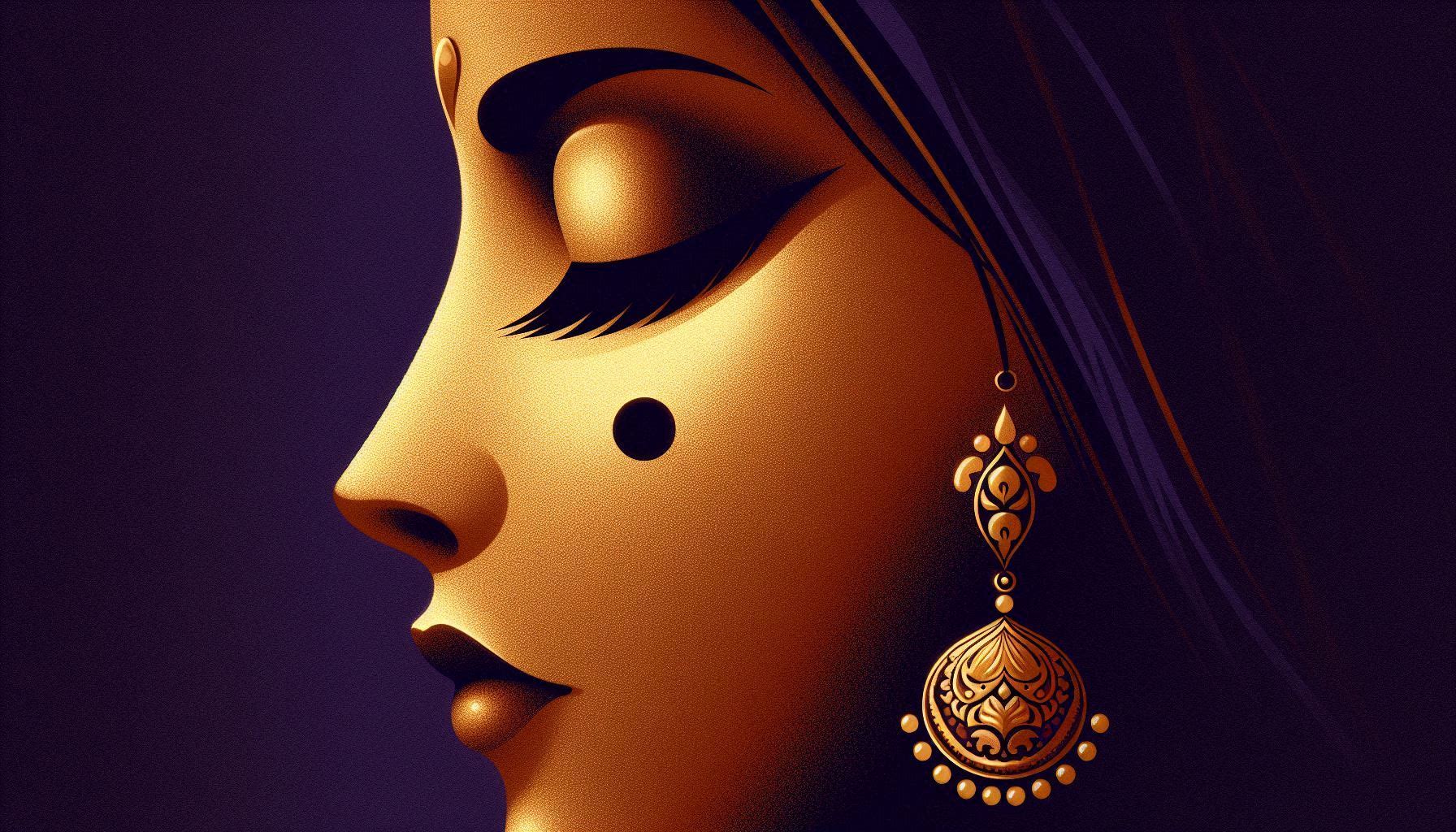
Mole on the Right Cheek — Meaning for Male
A mole on the right cheek is a mark of honour and social standing — a respected man in his community.
What This Mole Says About You
Tradition reads a mole on the right cheek in a man as a mark of honour — you're described as someone whose word carries weight, whose presence is welcomed in gatherings, and whose reputation is built on straight dealing. Traits: principled, socially graceful, comfortable in formal settings.
Career & Wealth
Favourable for careers that have a public-facing dimension — business leadership, public service, academia, senior consulting roles. Success tends to be built over a decade or more of consistent reputation work.
Love & Marriage
In marriage, you're read as a dignified and respectful partner. Partners who appreciate social standing often match well with this placement; those who find it performative sometimes struggle. Family life tends to be stable.
Traditional Remedy & Practice
None needed. A traditional gesture for honour: acknowledge those who helped you publicly when you receive recognition — the tradition says this compounds the blessing.
Quick takeaway
The Right Mole · Male Cheek is one of the Til Shastra (mole reading) markers in classical Samudrika tradition. A mole on the right cheek is a mark of honour and social standing — a respected man in his community. Read it as a tendency to be aware of, not a fixed verdict — the value is in the self-knowledge, not the prediction.
How to read this on your own body
Identify moles (til) by their location on the body — forehead, eyebrow region, cheek, neck, shoulder, chest, abdomen, back, arms, legs. Note colour (dark, reddish, or light), size, and whether the mole is raised or flat. The same location carries different meanings for men and women per classical convention. Examine in good light against neutral skin background.
Tip: A new mole appearing in adulthood carries a different significance than one present from birth — note when each mole appeared.
In the classical Til Shastra tradition
Til Shastra is the body-mole branch of Indian physiognomy, with detailed reading codes in classical Samudrika texts. The tradition assigns specific significations to moles by body region — for instance, a mole on the right shoulder carries a different reading from one on the left, and a mole above the eye differs from one below. The reading is gender-specific by classical convention. References appear in Brihat Samhita's lakshana chapters and in regional Samudrika manuals across Indian traditions.
Practical takeaway
This is a positively-marked feature in classical Samudrika reading. The traditional advice is to recognise this strength consciously and align life choices with it. Areas that flow naturally for you indicate where focused effort yields disproportionate returns — both materially and in the felt-sense of being aligned with your nature. Treat it as a strength to lean into, not as a guarantee of outcome.
How to use this reading
Samudrika readings indicate tendencies and dispositions, not fixed destinies. They are diagnostic — illuminating patterns you can then choose to work with, refine, or balance. A reading is most useful as a mirror for self-awareness, not a forecast of outcomes. The classical Vedic view holds that human effort (purushartha), intent (sankalpa), and ethical action (dharma) consistently outweigh fixed bodily markers in shaping life trajectory.
🩺 A Modern Note on Moles
Cheek moles are low-risk usually but facial sun exposure is high, so regular dermatological review (every 2-3 years) is sensible.
Stay close to the wisdom — pundit-written, no spam.
One short letter for the areas you care about. Unsubscribe in one click whenever you want.
Areas of interest · pick any
DPDP-compliant. We never sell your details.