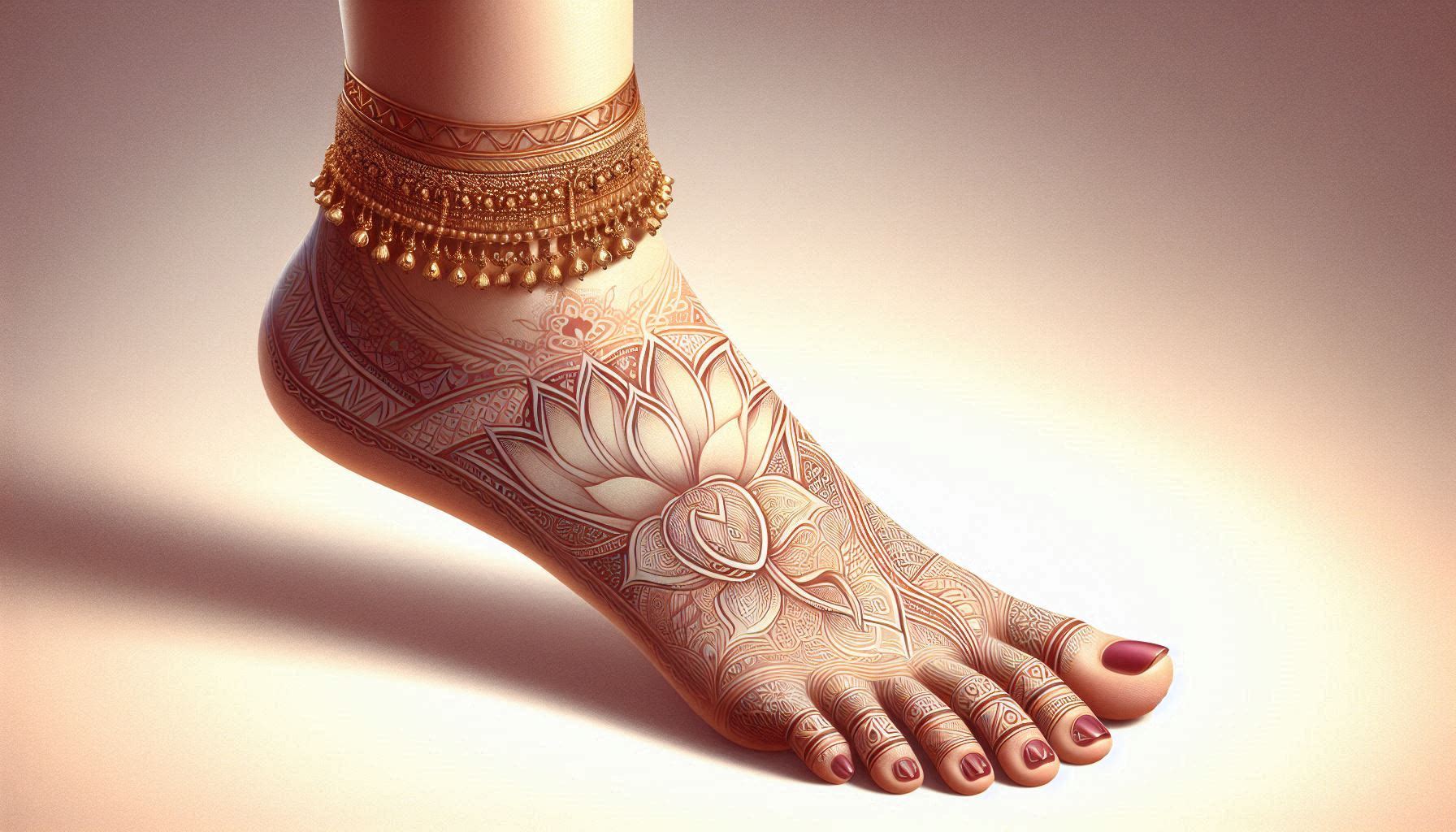
Right Sole Twitching Meaning for Male
Travel is in your near future — business trip, relocation, or unexpected journey.
What Samudra Shastra Says
The right sole itching or twitching in a man is traditionally read as a journey in the near future. The reading is about movement rather than destination — it could be a short trip, a work assignment elsewhere, a relocation, or simply an unexpected visit to a new place. Tradition holds that the right foot governs outward motion and public travel; the left sole, on the other hand, is read as travel that may be less welcome (work obligations, difficult trips). The strength of the itch is said to scale with the distance of the journey — a light tickle for a short trip, a persistent itch for a longer one.
Context & Timing
More pronounced if the itching happens at an unusual time — unexpectedly in the middle of the day when feet are covered.
How to Honour This Omen
None needed. Tradition suggests washing your feet mindfully that evening as a ritual preparation for the journey ahead.
Quick takeaway
The Right · Male Sole Twitch is one of the Ang Vidya (twitch interpretation) markers in classical Samudrika tradition. Travel is in your near future — business trip, relocation, or unexpected journey. Read it as a tendency to be aware of, not a fixed verdict — the value is in the self-knowledge, not the prediction.
How to read a twitch when it occurs
When a body twitch (sphurana) occurs, note three things: the body part affected, whether it is the right or left side, and the time of day (early morning, mid-morning, midday, afternoon, evening, or night). Each combination carries a specific signification in classical Ang Vidya. The reading is gender-specific — right-side twitches favour men, left-side twitches favour women, with the converse considered cautionary.
Tip: Twitches lasting more than a few minutes carry stronger weight than fleeting flickers — note the duration as well.
In the classical Ang Vidya tradition
Ang Vidya — body-twitch interpretation — is one of the oldest divinatory traditions documented in India, with references in the Atharva Veda Parishishta and detailed treatment in Brihat Samhita's shakuna (omen) chapters. The tradition reads spontaneous involuntary body movements (sphurana, spandanam) as immediate omens about events about to unfold. Right-side twitches in men and left-side in women are classically auspicious; the converse is cautionary. Time of day modifies the reading further.
Practical takeaway
This is a positively-marked feature in classical Samudrika reading. The traditional advice is to recognise this strength consciously and align life choices with it. Areas that flow naturally for you indicate where focused effort yields disproportionate returns — both materially and in the felt-sense of being aligned with your nature. Treat it as a strength to lean into, not as a guarantee of outcome.
How to use this reading
Samudrika readings indicate tendencies and dispositions, not fixed destinies. They are diagnostic — illuminating patterns you can then choose to work with, refine, or balance. A reading is most useful as a mirror for self-awareness, not a forecast of outcomes. The classical Vedic view holds that human effort (purushartha), intent (sankalpa), and ethical action (dharma) consistently outweigh fixed bodily markers in shaping life trajectory.
🩺 A Modern Note
Sole itching can indicate athlete's foot, dry skin, or a contact allergy with soap or detergent. If the itch is red, flaky, or between toes, see a doctor. Itchy feet love fresh socks.
Stay close to the wisdom — pundit-written, no spam.
One short letter for the areas you care about. Unsubscribe in one click whenever you want.
Areas of interest · pick any
DPDP-compliant. We never sell your details.