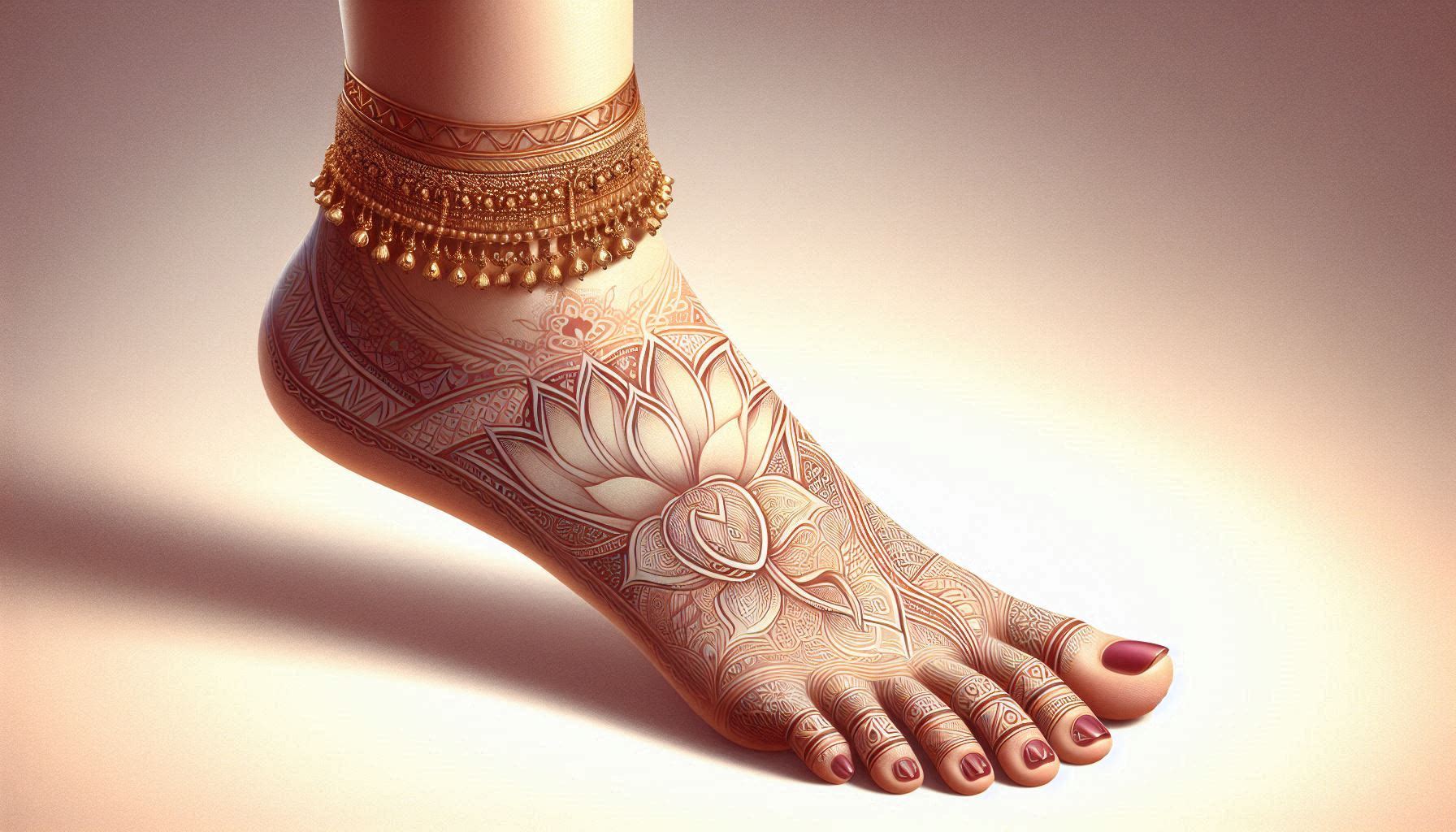
Left Ankle Twitching Meaning for Male
A small stumble — watch your footing literally or figuratively.
What Samudra Shastra Says
For a man, the left ankle twitching is a small caution. Tradition reads it as a minor stumble — a trip on the stairs, a slip-up in a conversation, or a detail you've been overlooking coming to the surface at an awkward moment. The reading is rarely serious; it's more the tradition's way of saying "watch your footing" for a day or two. Literally, watch where you walk. Figuratively, watch the details of the meeting or document you're about to engage with.
Context & Timing
More pronounced in evenings, especially after a drink or late work.
Traditional Remedy
Double-check the small things today. In a meeting, re-read before speaking. At home, watch the doorsteps.
Quick takeaway
The Left · Male Ankle Twitch is one of the Ang Vidya (twitch interpretation) markers in classical Samudrika tradition. A small stumble — watch your footing literally or figuratively. Read it as a tendency to be aware of, not a fixed verdict — the value is in the self-knowledge, not the prediction.
How to read a twitch when it occurs
When a body twitch (sphurana) occurs, note three things: the body part affected, whether it is the right or left side, and the time of day (early morning, mid-morning, midday, afternoon, evening, or night). Each combination carries a specific signification in classical Ang Vidya. The reading is gender-specific — right-side twitches favour men, left-side twitches favour women, with the converse considered cautionary.
Tip: Twitches lasting more than a few minutes carry stronger weight than fleeting flickers — note the duration as well.
In the classical Ang Vidya tradition
Ang Vidya — body-twitch interpretation — is one of the oldest divinatory traditions documented in India, with references in the Atharva Veda Parishishta and detailed treatment in Brihat Samhita's shakuna (omen) chapters. The tradition reads spontaneous involuntary body movements (sphurana, spandanam) as immediate omens about events about to unfold. Right-side twitches in men and left-side in women are classically auspicious; the converse is cautionary. Time of day modifies the reading further.
Practical takeaway
This is a feature that classical Samudrika flags as requiring conscious attention. A "challenging" marker doesn't predict misfortune — it indicates an area where awareness, effort, and remedial action yield disproportionate results. The classical Vedic view is that markers are diagnostic, not deterministic. Treat the reading as a guide for self-development rather than a forecast. Specific remedies (fasting on a planetary day, mantra japa, charitable giving) are sometimes prescribed for specific markers.
How to use this reading
Samudrika readings indicate tendencies and dispositions, not fixed destinies. They are diagnostic — illuminating patterns you can then choose to work with, refine, or balance. A reading is most useful as a mirror for self-awareness, not a forecast of outcomes. The classical Vedic view holds that human effort (purushartha), intent (sankalpa), and ethical action (dharma) consistently outweigh fixed bodily markers in shaping life trajectory.
🩺 A Modern Note
Ankle twitches are benign and common. Persistent weakness or instability, however, warrants a physiotherapy check.
Stay close to the wisdom — pundit-written, no spam.
One short letter for the areas you care about. Unsubscribe in one click whenever you want.
Areas of interest · pick any
DPDP-compliant. We never sell your details.